
What Are GMO Seeds?
A practical primer on genetically modified seeds for growers and curious minds.
GMO (genetically modified organism) seeds are produced using modern biotechnology to directly change a plant’s DNA. This differs from traditional breeding, which crosses plants over multiple generations. Genetic engineering can add, remove, or edit genes to introduce targeted traits—most commonly insect resistance or herbicide tolerance.
How Are GMO Seeds Made?
- Identify a useful gene (e.g., a protein from Bacillus thuringiensis that deters certain insects).
- Insert or edit the gene in the crop genome using tools like recombinant DNA or CRISPR.
- Regenerate whole plants, then test for stability, yield, and safety before commercial release.

Common Traits
- Bt (Insect Resistance): Plants produce a protein that targets specific pests (e.g., European corn borer).
- Herbicide Tolerance: Plants can tolerate specific herbicides (e.g., glyphosate), simplifying weed control.
- Quality Traits: Shelf-life (e.g., non-browning) or oil composition changes (e.g., high-oleic oils).
GMO vs. Non-GMO vs. Heirloom
| Type | How It’s Developed | Typical Goals |
|---|---|---|
| GMO | Direct gene insertion/editing in lab | Targeted traits (insect/herbicide resistance, quality) |
| Non-GMO | Conventional breeding/selection | Yield, flavor, disease resistance via crosses & selection |
| Heirloom | Open-pollinated, saved over generations | Flavor, cultural heritage, seed-saving & diversity |
Potential Benefits & Considerations
Potential Benefits
- Reduced insect damage (Bt traits)
- Simplified weed control
- Stable yields; some quality improvements
Considerations
- Seed access/costs & grower agreements
- Herbicide resistance in weeds if overused
- Market/labeling preferences (e.g., Non-GMO demand)
Where Are GMO Seeds Used?
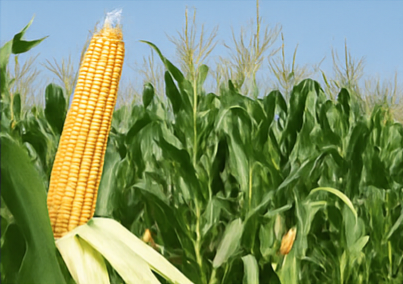
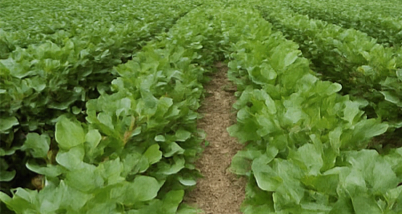
GMOs are most common in large-scale commodity crops (corn, soy, cotton, canola, sugar beet). Many vegetables available to home gardeners remain non-GMO or hybrid/heirloom. Always check seed labels and supplier information for trait details.

Key Takeaway
“GMO” describes a method—direct genetic modification. Whether GMO or non-GMO seeds are right for you depends on your goals: yield and pest management, seed-saving tradition, market preferences, or specific production practices.